News

Are GaN PD Chargers Safe?

GaN (Gallium Nitride) PD (Power Delivery) chargers are gaining popularity for their compact size and fast charging capabilities. However, many users wonder: Are they safe? Safety Features of GaN PD Chargers 1. Advanced Circuit Protection GaN PD chargers integrate multiple safety mechanisms: 2. Superior Thermal Management 3. Compliance with Safety Standards Reputable GaN PD chargers are certified by: Safety Comparison: GaN PD vs. Traditional Chargers Factor GaN PD Charger Traditional Charger Heat Generation Minimal due to GaN efficiency High, especially during fast charging Fire Risk Extremely low with OVP/OCP/OTP Higher risk with outdated designs Certifications Strict compliance (UL, CE, etc.) Some […]
Are GaN PD Chargers Safe? Read More »

GaN PD Chargers: The Future of Fast Charging

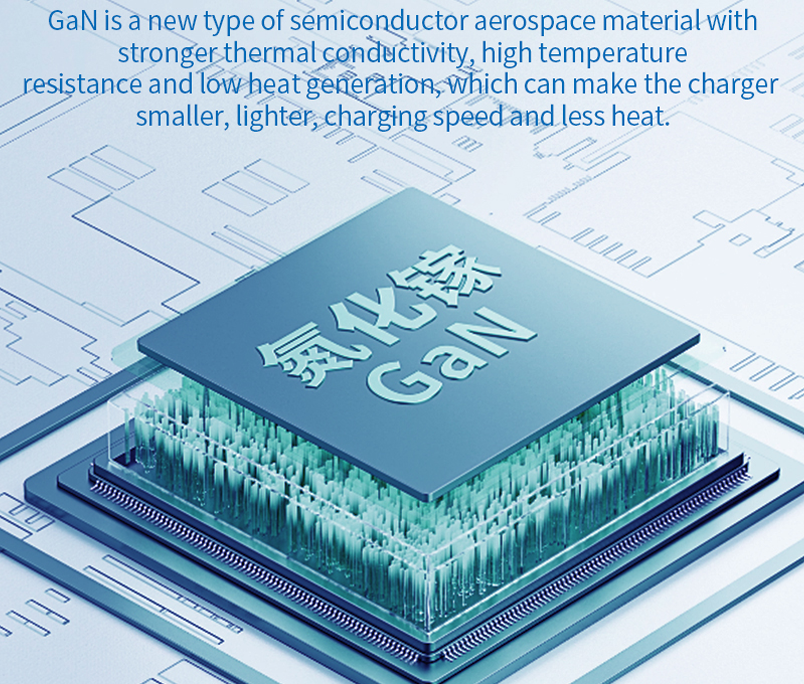
Introduction GaN (Gallium Nitride) PD (Power Delivery) chargers are revolutionizing the way we power our devices. Combining the efficiency of GaN semiconductors with the versatility of USB Power Delivery, these chargers offer faster charging, smaller sizes, and better thermal performance compared to traditional silicon-based chargers. How GaN PD Works 1. GaN Technology 2. USB Power Delivery (PD) PD dynamically adjusts voltage (e.g., 5V–20V) and current (up to 5A) based on device requirements, supporting fast charging for smartphones, laptops, and more. 3. Synergy of GaN + PD GaN reduces heat generation, while PD optimizes power delivery—resulting in compact, high-power chargers (e.g.,

GaN PD Chargers: The Future of Fast Charging Read More »

Lithium Battery Chargers: A Comprehensive Guide

Introduction Lithium batteries are widely used in smartphones, laptops, electric vehicles, and portable devices due to their high energy density and long lifespan. A compatible charger is essential to ensure safe and efficient charging. This guide explains how lithium battery chargers work, safety tips, and how to choose the right one. How Lithium Battery Chargers Work Lithium battery chargers typically follow a two-stage charging process: Modern smart chargers also include features such as: Safety Tips For Users: For Manufacturers: How to Choose a Charger Key Factors Description Voltage & Current Match the battery’s specifications (e.g., 3.7V Li-ion). Charging Speed Fast

Lithium Battery Chargers: A Comprehensive Guide Read More »

How to Choose a Lithium Battery Charger: A Step-by-Step Guide

Why Choosing the Right Charger Matters Lithium batteries power everything from smartphones to electric vehicles, but using an incompatible charger can lead to safety risks (e.g., overheating, explosions) or reduced battery lifespan. A well-matched charger ensures efficiency, safety, and longevity. Key Factors to Consider 1.Voltage & Current Compatibility 2. Charging Speed & Technology Type Advantages Drawbacks Standard Charger Low heat,budget-friendly Slow charging(e.g., 5W) Fast Charger Saves time (e.g., 18W PD,30W QC). Generates more heat;check compatibility. Wireless Charger Convenient, no cables Slower speed;requires Qi support. 3. Safety Certifications 4. Portability & Design 5. Smart Features FAQ Q: Can I use a

How to Choose a Lithium Battery Charger: A Step-by-Step Guide Read More »

Comprehensive Comparison: PC, ABS, and PVC Materials

PC (Polycarbonate), ABS (Acrylonitrile Butadiene Styrene), and PVC (Polyvinyl Chloride) are three widely used thermoplastics in industrial and consumer applications. Each has unique properties, costs, and use cases. This guide compares their key characteristics to help you make informed decisions. Basic Properties Property PC ABS PVC Impact Resistance Extremely high (10x standard) High Low Heat Resistance Long-term:120℃,Short-term:140℃ Long-term:80℃;Short-term:100℃ Long-term:60℃;Short-term:80℃ Flame Retardancy UL94 V-0 (self-extinguishing UL94 HB (slow burning) UL94 V-2 (limited flame retardancy) Density 1.2-1.4g/cm³ 1.0-1.1 g/cm³ 1.3-1.45 g/cm³ Clarity Transparent/semi-transparent Opaque;paintable Opaque;colorable Mechanical & Chemical Performance PC Advantages: ABS Advantages: PVC Advantages: Cost & Sustainability Factor PC ABS PVC

Comprehensive Comparison: PC, ABS, and PVC Materials Read More »

Comprehensive Guide to PVC in Power Strips

Power strips are essential for distributing electricity in homes and offices, where safety and durability heavily depend on material choices. PVC (Polyvinyl Chloride), known for its unique properties, is widely used in power strip casings and cables. Basic Properties of PVC Key Advantages in Power Strips Application Examples Conclusion With flame retardancy, insulation, and cost-efficiency, PVC remains a cornerstone material for power strips. Innovations and stricter standards will further refine its role in balancing safety and sustainability.

Comprehensive Guide to PVC in Power Strips Read More »

Power Strip Safety Guide: Preventing Overloads & Short Circuits

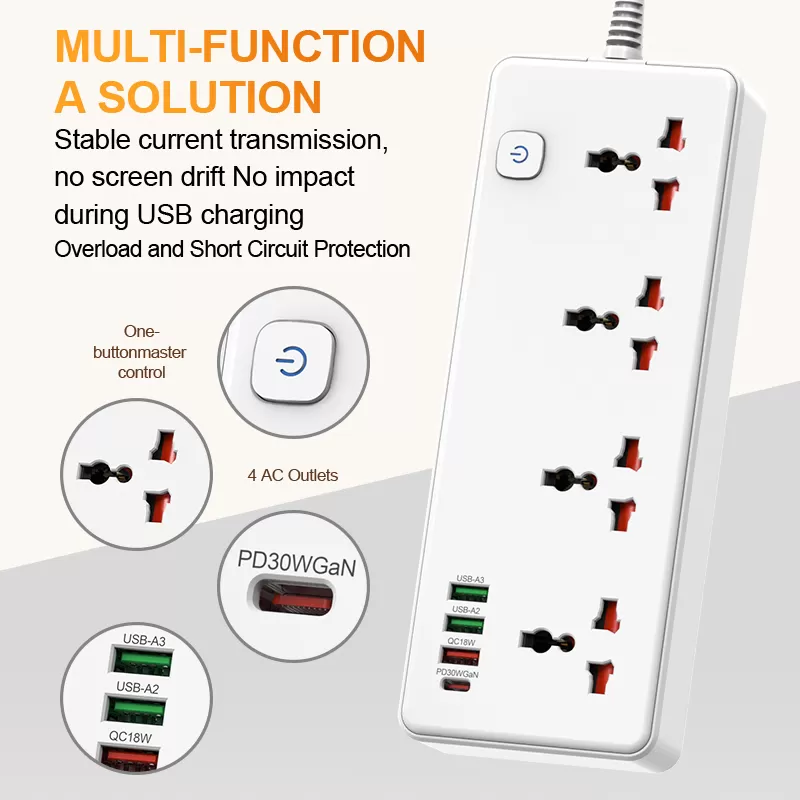
Power strips are essential for daily electricity distribution, but misuse can lead to overloads or short circuits, risking fires or device damage. 1. Know Your Power Strip’s Rating 2. Practical Tips to Prevent Overloads 3. Preventing Short Circuits 4. Common Mistakes & Fixes Mistake Risk Solution Using All Outlets Overheating from overload Leave 1-2 outlets empty Daisy-Chaining Strip Fire hazard Use wall outlets or longer cords Ignoring Child Safety Electric shock Choose strips with child-safe shutters Conclusion Safe power strip use = Proper load management + Regular maintenance + Certified products. Follow these guidelines to minimize risks and ensure safety at home or work. Emergency Response

Power Strip Safety Guide: Preventing Overloads & Short Circuits Read More »

Comprehensive Guide to ABS Material

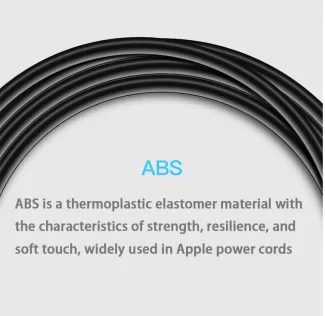
ABS (Acrylonitrile Butadiene Styrene) is a widely used thermoplastic known for its high impact resistance, manufacturing flexibility, and cost-effectiveness. From household appliances to automotive components, ABS is a top choice in industrial and consumer applications due to its balanced properties. Basic Properties Key Applications Pros & Cons Pros: Cons: Safety & Sustainability Future Trends

Comprehensive Guide to ABS Material Read More »

How to Choose a Power Adapter for International Travel

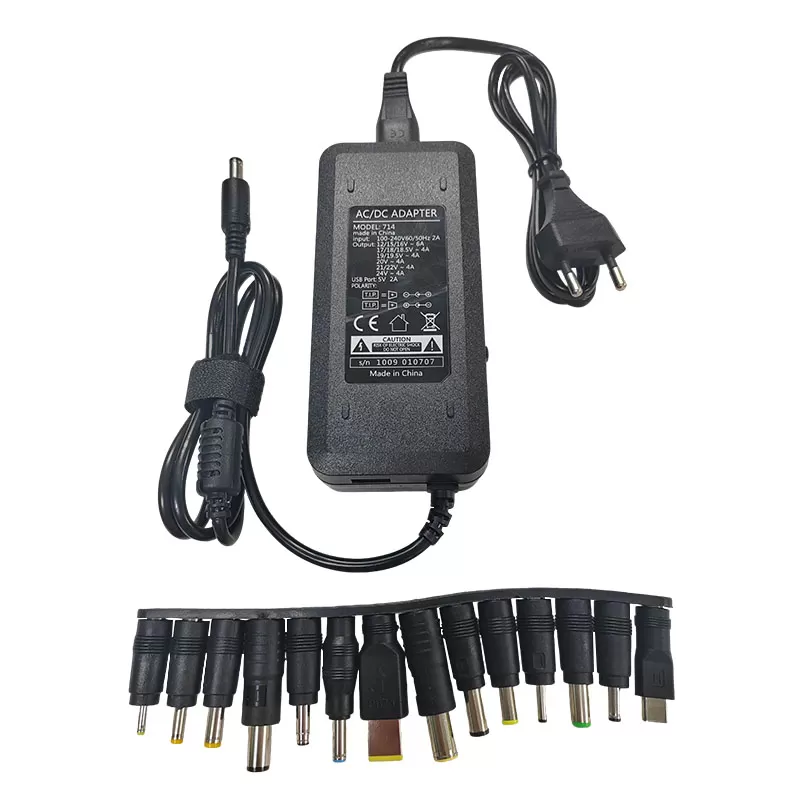
1. Check Destination Voltage & Frequency Voltage standards vary globally (e.g., 120V in the US, 220-240V in Europe), with frequencies of 50Hz or 60Hz. Steps: 2. Choose Compatible Plug Types Common plug types worldwide: 3. Prioritize Multi-Functional Features 4. Ensure Safety Certifications Conclusion The perfect travel adapter = Voltage compatibility + Plug versatility + Safety certifications + Portability. Plan ahead for stress-free charging worldwide!

How to Choose a Power Adapter for International Travel Read More »

PC Material in Power Strips

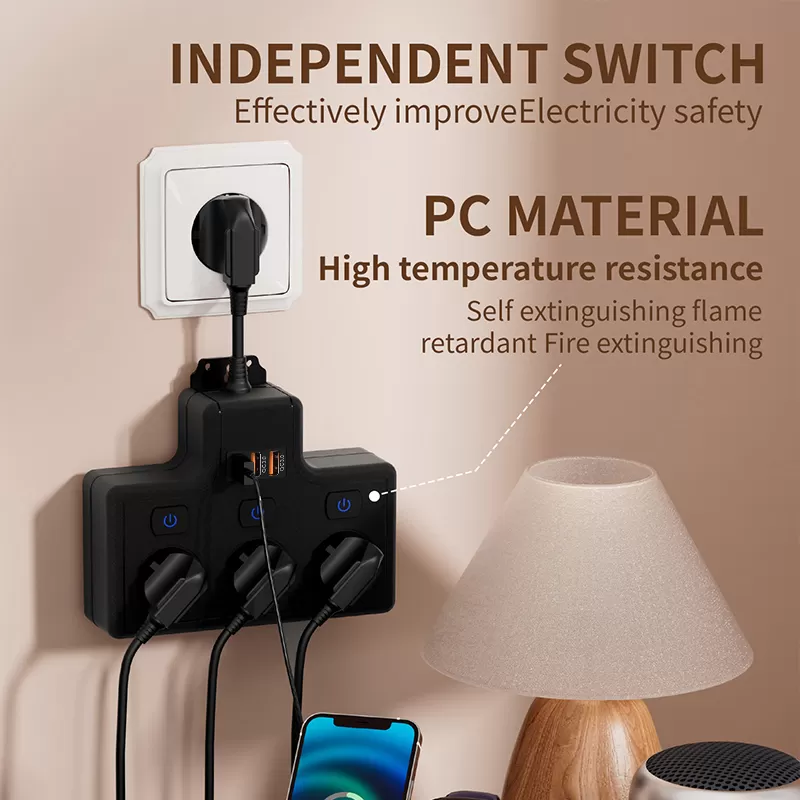
Power strips are critical for electrical distribution, and their material choices directly impact safety, durability, and user experience. PC (Polycarbonate), known for its high strength, heat resistance, and flame retardancy, is the preferred material for premium power strip casings. Basic Properties of PC Key Advantages in Power Strips Conclusion With unmatched safety, durability, and design flexibility, PC sets the standard for premium power strips. Advancements in eco-friendly technology will further solidify its role in industry innovation.

PC Material in Power Strips Read More »

Scroll to Top